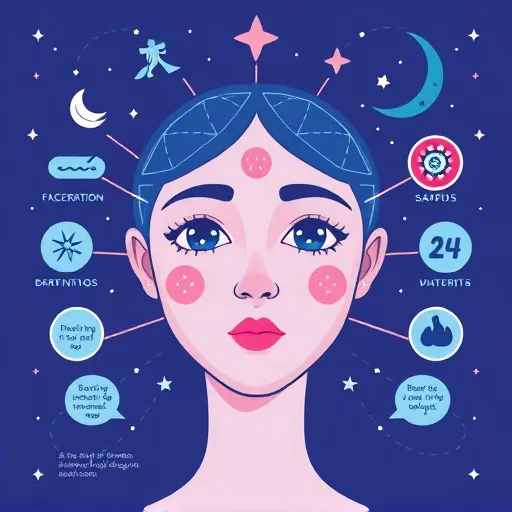
Face reading basics
What Is Face Reading, Really?
Face reading — sometimes called physiognomy — is the practice of interpreting personality traits, emotional tendencies, and even life patterns based on facial features. It sounds like something straight out of a fantasy novel, right? But the core idea behind face reading basics for beginners isn't nearly as far-fetched as it seems. The human face is incredibly expressive. It communicates emotion, health, stress, confidence, and fatigue long before anyone opens their mouth.
Modern face reading blends traditional observation techniques with insights from psychology, behavioral science, and even facial anatomy. Practitioners don't claim to predict your destiny from the shape of your nose. Instead, they focus on patterns — recurring facial characteristics that tend to correlate with certain behavioral styles. That's the heart of face reading basics for beginners: noticing patterns, not making wild guesses.
"Think of it as visual communication analysis," says one industry professional who has trained corporate teams in nonverbal observation. "You're not judging people. You're learning to notice details that most people overlook entirely." This mindset is exactly what makes face reading basics for beginners so approachable — it's about curiosity, not judgment.
Why Face Reading Basics Are Gaining Popularity in 2026
Interest in face reading basics for beginners has exploded in recent years, and 2026 is shaping up to be its biggest year yet. Several trends are driving this surge in nonverbal communication and facial observation:
- The rise of emotional intelligence training — companies and individuals alike are investing more in understanding human behavior and nonverbal cues.
- Self-discovery culture — people want deeper insight into their own personality traits and how others perceive them through facial features.
- Social media curiosity — short-form video platforms have made face reading basics for beginners go viral, with creators breaking down celebrity features and everyday expressions.
- Digital wellness backlash — after years of screen-heavy living, people are craving face-to-face connection skills and the ability to read real-time interactions.
One well-known platform reported a triple-digit percentage increase in searches related to facial observation and nonverbal communication skills over the past twelve months. The demand for face reading basics for beginners is absolutely real.
The Core Foundations: Where Beginners Should Start With Facial Structure
Before diving into specific features, you need to understand the three pillars that underpin all face reading techniques. These foundations are essential for anyone exploring face reading basics for beginners.
Facial Structure (The Architecture) refers to the bone structure, face shape, and proportions. Traditional systems categorize faces into shapes — round, oval, square, rectangular, triangular, heart-shaped, and so on. Each shape is said to suggest certain personality tendencies. For example, people with broader, square jawlines are often associated with determination and resilience. Individuals with more oval or heart-shaped faces are frequently linked to adaptability and empathy. These are generalizations, of course, not absolute rules — a key lesson in face reading basics for beginners.
Facial Features (The Details) covers eyes, nose, mouth, eyebrows, ears, and forehead — each feature carries its own symbolic and observational weight. This is where face reading basics for beginners becomes delightfully nuanced. The shape, size, position, and movement of individual features all contribute to the overall picture of someone's personality traits.
Dynamic Expression (The Living Face) is the most important and most overlooked pillar. Static features tell one story; how a face moves tells another entirely. Micro-expressions, resting face, smile dynamics, and eye movements are arguably more revealing than structural features. "Static features are like a map. Dynamic expression is the traffic report," a seasoned practitioner explained. "You need both to navigate effectively." This balance is what separates real face reading basics for beginners from surface-level guessing.
Feature-by-Feature: A Beginner's Breakdown of Eyebrows, Eyes, and Emotional Core
Here's where things get practical. Let's walk through the major facial features and what they generally suggest in face reading traditions. This breakdown is central to face reading basics for beginners.
The Forehead — Thought and Intellect. The forehead is traditionally associated with thinking style and intellectual approach. A broad, high forehead is often linked to analytical thinking and curiosity. A narrower forehead might suggest directness and practical focus. Forehead lines can indicate areas where a person has invested significant mental energy over time.
The Eyebrows — Temperament and Social Style. Eyebrows are one of the most underrated features in face reading basics for beginners. Thick, prominent eyebrows often correlate with strong opinions and expressiveness. Thin eyebrows may suggest a more reserved or detail-oriented nature. Arched brows are frequently associated with ambition and creativity.
The Eyes — The Emotional Core. You've heard the phrase "eyes are the windows to the soul." In face reading, that sentiment holds weight. Wide-set eyes are often associated with open-mindedness and big-picture thinking. Closely set eyes may indicate intensity and focus. The way someone's eyes move during conversation reveals tremendous information about their internal state — a crucial insight for face reading basics for beginners.
The Nose, Mouth, and Ears: Ambition, Expression, and Learning Style
The Nose — Ambition and Drive. In traditional face reading, the nose relates to ambition, self-esteem, and financial tendencies. A prominent nose is often linked with confidence and leadership traits. A smaller or more refined nose might suggest flexibility and adaptability. The bridge and tip also carry interpretive significance in many systems — another nuanced layer of face reading basics for beginners.
The Mouth and Lips — Expression and Relational Style. Lips tell stories about how someone communicates and connects. Fuller lips are frequently associated with warmth and emotional expressiveness. Thinner lips may suggest precision and independence. The resting position of the mouth — upturned, downturned, relaxed — provides immediate emotional information.
The Ears — Learning Style and Adaptability. Ear size, shape, and position are explored in face reading basics for beginners as indicators of learning preferences and adaptability. Larger ears are sometimes linked to receptiveness and curiosity. Ears that sit higher on the head might suggest quick learning and intellectual boldness.
Face Shape Revisited — The Big Picture. While individual features matter, the overall face shape provides context. Square faces are tied to stability and reliability. Round faces to sociability and approachability. Triangular faces to creativity and sensitivity. Heart-shaped faces to charisma and emotional intelligence. The trick is to avoid fixating on any single feature. Face reading is wholistic — the combination matters far more. That's a golden rule of face reading basics for beginners.
Dynamic Face Reading: Micro-Expressions and Real-Time Gaze Patterns
Static features are fascinating, but the real power of face reading basics for beginners lies in reading live expressions. Here's what to watch for.
Micro-expressions are fleeting facial movements that last a fraction of a second. They often reveal genuine emotion before someone can mask it. A flash of fear, a brief tightening of the lips, a sudden eyebrow raise — these micro-signals are gold for anyone practicing face reading basics for beginners.
The Resting Face — how someone's face looks when they think no one is watching — tells you a lot. A tense jaw, a furrowed brow, a slight frown often reflect emotional baseline. Interestingly, many people have a harsher resting face than their actual disposition, something an experienced observer learns to calibrate for.
Smile Dynamics: not all smiles are equal. Genuine smiles engage the muscles around the eyes, creating visible crinkling. Polite or forced smiles tend to involve only the mouth. Learning to spot authentic versus social smiles is one of the most practical skills in face reading basics for beginners.
Gaze Patterns — where someone looks and how long they hold eye contact — reveal engagement, comfort level, and even thought patterns. Steady gaze suggests confidence; darting gaze can signal discomfort or distraction. Mastering gaze observation is a core component of face reading basics for beginners.
How to Practice Face Reading for Beginners Using Photos and Observation
Reading this won't magically make you an expert — but these steps will get you started on the right foot with face reading basics for beginners.
Start With Observation Only. Don't interpret at first. Just notice. Look at faces — in real life, in photos, on video calls — and mentally catalog features. What's the face shape? How prominent are the eyebrows? What's the resting expression? Practice pure observation before adding interpretation.
Use Photos for Study. Grab a collection of diverse faces and analyze them systematically. Write down what you observe. Review later and see if the personality traits you now know about those people match what the features suggested. This is a classic exercise in face reading basics for beginners.
Watch Videos on Mute. This is a powerful exercise. Watch interviews or conversations with the sound off. Focus entirely on facial dynamics. What emotions do you see? When does the expression shift? This builds real-time face reading fluency faster than almost anything else.
Keep a Reflection Journal. Start reading your own face. Look in the mirror — not with judgment, but with curiosity. What do your facial features reveal? What habitual expressions have left traces? This self-awareness is a surprisingly powerful tool for personal growth and a great way to internalize face reading basics for beginners.
Common Mistakes Beginners Make With Facial Observation and Cultural Diversity
Face reading is a tool, not a truth-teller. Avoid these pitfalls when studying face reading basics for beginners:
- Ignoring cultural and ethnic diversity — facial features and expressions vary enormously across populations and backgrounds. A feature that suggests one trait in one context might carry different implications in another.
- Over-relying on one feature — a big nose doesn't define someone. The full face, and the person, must be considered.
- Treating readings as deterministic — face reading offers tendencies and possibilities, not fixed fates.
- Skipping dynamic observation — static features are fascinating, but expression is where the action is.
- Projecting your own biases — be honest with yourself when your interpretation might be colored by personal assumptions.
Understanding these mistakes is just as important as learning the features themselves — it's all part of solid face reading basics for beginners.
The Future of Face Reading in 2026: Computer Vision and Human Presence
Face reading is evolving. In 2026, the practice is increasingly meeting technology. Computer vision systems analyze facial features at scale; researchers explore connections between facial structure and behavioral traits; and digital tools offer face reading guides for personal development. But here's the thing — no algorithm can replace human observation. The most valuable skill in face reading basics for beginners is presence: the ability to look closely, notice details, and stay curious.
"The future of face reading isn't about gadgets," an industry veteran noted. "It's about reclaiming our natural ability to read faces — something we've been training out of ourselves for decades." That human element is exactly why face reading basics for beginners will always matter, no matter how advanced the tech gets.
Frequently Asked Questions About Face Reading Basics and Accuracy
Is face reading scientific? It straddles tradition and psychology. While some aspects — like micro-expression research and nonverbal communication studies — are scientifically studied, many interpretive systems are cultural and traditional rather than empirically validated. Treat face reading basics for beginners as a lens for observation, not a hard science.
Can anyone learn face reading? Absolutely. Face reading basics for beginners are accessible to anyone willing to practice observation and stay open-minded. You don't need special gifts or a decade of study. You need attention, discipline, and a willingness to refine your interpretations over time.
How accurate is face reading? Accuracy depends on the skill of the reader, the context, and the specific system being used. Face reading is most useful as a complementary tool — a way to gather extra information, not a replacement for genuine understanding of another person. That's the honest truth about face reading basics for beginners.
What's the best way to start learning face reading? Start with this guide. Then practice daily — watch faces, read expressions, journal your observations. Over time, patterns emerge, and your reading skill develops naturally. Consistency is everything when it comes to face reading basics for beginners.
Ultimately, face reading basics for beginners offer something genuinely valuable in a world that's increasingly digital and distracted: the ability to truly see other people. When you learn to read faces, you develop empathy, observational intelligence, and a deeper connection to the humans around you. Start simple. Look more. Judge less. Stay curious. The face in front of you is always speaking — and with a solid grasp of face reading basics for beginners, you'll finally learn the language.