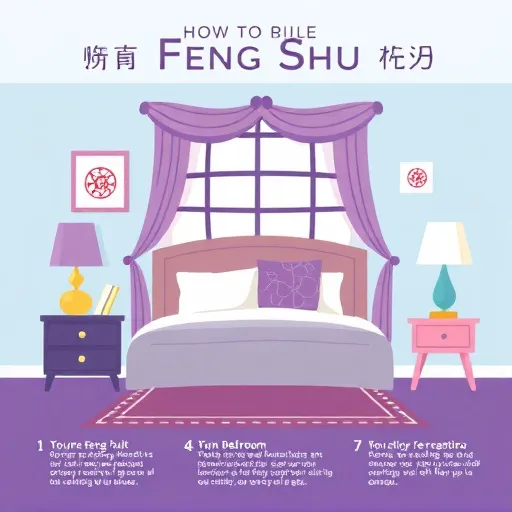
Feng shui basics exp
What Feng Shui Actually Means for a Bedroom
Before you start shoving furniture around and second-guessing every lamp placement, it helps to get why feng shui even matters. Feng shui is the traditional art of arranging your environment to encourage balance and a smooth flow of energy — usually called qi (or chi). In the bedroom, the mission is refreshingly simple: build a calm, grounded, restorative space that supports sleep and intimacy. When you're figuring out how to set up a feng shui bedroom layout, that's the north star you keep coming back to.
Here's the cool part — from a behavioral and NLP angle, this stuff makes total sense. Your environment is constantly firing subconscious signals at you. A messy room whispers "unfinished business" to your brain. A bed facing a mirror can trigger a tiny startle response when you wake up in the dark. None of this is mystical — it's environmental psychology wearing ancient wisdom as a costume. And that's exactly why how to set up a feng shui bedroom layout has stuck around for centuries.
The Commanding Position: The Beating Heart of Any Feng Shui Bedroom Layout
If you only remember one thing from this whole guide, make it the commanding position. In feng shui, your bed should sit so you can clearly see the door from where you lie — but you're not directly in line with it. The idea is that you can fully relax because you can see who or what enters the room. This single principle anchors how to set up a feng shui bedroom layout more than anything else.
Here's how to nail it:
- Place the bed diagonally opposite the door whenever possible — that's the classic commanding position.
- Avoid having the bed directly in line with the doorway (often called the "coffin position").
- Make sure there's a solid wall behind the headboard for support.
- Don't sleep with your feet pointing straight out the door.
In smaller rooms, the commanding position isn't always doable — and that's fine. The next best option is a solid headboard against a wall with a partial view of the door. If you need to "see" the entrance, use a small mirror or reflective surface strategically — but keep mirrors away from directly facing the bed (more on that below). Knowing how to set up a feng shui bedroom layout in a tight space is all about smart compromises.
Bed Placement Rules You Shouldn't Ignore for a Balanced Feng Shui Bedroom Layout
Beyond the commanding position, several bed placement guidelines form the backbone of a solid feng shui bedroom layout. Let's break them down.
1. Solid Headboard, Solid Support. Your headboard represents stability and support in your life. A solid, upholstered, or wooden headboard is ideal. Skip headboards made of open slats or metal bars — they're considered less grounding. And please, no sleeping with your head against a window if you can avoid it. Windows represent transience, and having your head there can feel unstable on a subconscious level.
2. Symmetry Is Your Friend. Feng shui loves balance, and nothing says balance like a symmetrical bedroom layout. Two matching nightstands, two matching lamps, and a centered bed create harmony. This matters extra for couples — symmetry in the bedroom is linked to balanced relationships. If you only have room for one nightstand, that's okay, but try to keep the visual weight of the room even.
3. Under-Bed Space Matters. Keep the space under your bed clear. Storing boxes of old paperwork, shoes, or random clutter beneath where you sleep is believed to create stagnant energy. Practically speaking, it also makes the room feel heavier and less breathable. If you must store things under the bed, keep them organized, soft (like linens), and in neutral containers.
4. Avoid Sleeping Under Heavy Beams or Ceiling Fans. Exposed beams or a fan directly above the bed can create a feeling of pressure — sometimes called "pressure energy." If your bedroom has a sloped ceiling or exposed beam, position the bed so you're not sleeping directly beneath it. Same goes for shelving mounted above the headboard; keep it light or remove it entirely.
The Five Elements and How They Shape Your Feng Shui Bedroom Layout
A core concept in feng shui is the five elements: wood, fire, earth, metal, and water. Each element corresponds to certain colors, materials, and shapes. The goal is to balance them within a space, leaning slightly toward the elements that support restfulness. Understanding the elements is a big part of how to set up a feng shui bedroom layout that actually feels right.
For a bedroom, you generally want to emphasize earth (stability, grounding) and metal (clarity, calm), while going easy on fire (too stimulating) and water (too emotional or fluid for some applications). Here's a quick reference:
- Earth: warm neutrals, beige, terracotta, clay, ceramics, square shapes — great for grounding.
- Metal: white, gray, metallics, round shapes, smooth surfaces — promotes calm and clarity.
- Wood: green tones, plants, wooden furniture, tall shapes — supports growth and vitality, use moderately.
- Fire: reds, oranges, bright lights, candles — stimulating, so use sparingly in a bedroom.
- Water: blues, blacks, glass, mirrors, wavy shapes — introspective, but avoid too much in the bedroom.
A balanced feng shui bedroom layout typically leans earth-and-metal with just a touch of wood. Think warm beige walls, natural wood furniture, crisp white linens, and a single green plant. That's a strong foundation for any restful space.
Color Palette Secrets for a Restful Feng Shui Bedroom Layout
Color is one of the fastest ways to shift the energy of a room — and it's a key lever when you're learning how to set up a feng shui bedroom layout. In feng shui, yin colors — soft, muted, cool, and calming tones — are favored for bedrooms because they promote rest. Think:
- Soft whites and creams
- Warm beiges and taupe
- Muted grays
- Pale blues and greens
- Dusty pinks and lavender
What should you avoid? Bright reds, neon, and high-contrast black-and-white combos. These are yang colors — stimulating and active — and they belong in living rooms or home offices, not where you're trying to wind down. If you love bold color, use it in small accents (a throw pillow, a piece of art) rather than on the walls or bedding.
Lighting, Mirrors, and Electronics: The Make-or-Break Details of Your Feng Shui Bedroom Layout
Lighting plays a huge role in the feng shui of a bedroom, and it's also one of the most overlooked aspects of any bedroom design. Harsh overhead lighting is a big no. Instead, layer your light sources: bedside lamps with warm bulbs, a dimmable overhead, and maybe a small floor lamp in a corner. Warm light (2700K–3000K) is ideal for evenings. If possible, block out external light at night with curtains — good sleep hygiene and good feng shui align beautifully here.
Mirrors are powerful in feng shui — they bounce energy around and can make small rooms feel larger. But in the bedroom, there's one firm rule: don't let a mirror face the bed directly. A mirror reflecting your sleeping body is believed to disturb rest and create a sense of being "watched." If you have a closet with mirrored doors opposite your bed, cover them at night or reposition them. A mirror on a side wall or inside a closet door that doesn't face the bed is fine.
And electronics? This one's both feng shui and common sense. Televisions, laptops, and phones in the bedroom create electromagnetic energy and mental stimulation. Ideally, keep screens out of the bedroom entirely. If you must have a TV, cover it when not in use or place it in a cabinet. Keep your phone charging outside the bedroom if you can — or at least on a nightstand away from your pillow. Your sleep will thank you.
Clutter, Storage, and the Art of Letting Go in Your Feng Shui Bedroom Layout
You've probably heard this a hundred times, but it bears repeating: clutter is the enemy of good feng shui. In the bedroom especially, clutter under the bed, on nightstands, or piled in corners creates stagnant energy and mental noise. Honestly, decluttering is half of how to set up a feng shui bedroom layout — the other half is placement.
Here's a simple decluttering approach:
- Clear off nightstands — keep only a lamp, a book, and maybe a small plant or a photo.
- Remove clothes from "the chair" — commit to putting them away or into a hamper.
- Store out-of-season items in closed containers, ideally outside the bedroom.
- Keep the floor clear — a clear floor allows energy to flow freely.
From an NLP perspective, a clutter-free bedroom reduces decision fatigue and sensory load, which supports faster sleep onset. The ancient practitioners and modern sleep scientists agree on this one.
Plants, Art, and Personal Touches That Elevate Your Feng Shui Bedroom Layout
Once the fundamentals are in place, you can layer in personality. Plants are generally welcome in a feng shui bedroom, but choose carefully — soft, rounded leaves are preferable to sharp, spiky plants. Avoid plants that need a lot of water right next to the bed (remember, we're keeping water energy moderate). For art, choose calming imagery: landscapes, abstract soft shapes, or nature scenes. Avoid aggressive or high-energy imagery — no dramatic battle scenes or intense action photography above the bed. And be intentional about what's on your nightstand. A photo of loved ones, a small bowl for jewelry, or a favorite book all work beautifully.
Quick Feng Shui Bedroom Checklist for Your Feng Shui Bedroom Layout
Let's pull it all together. Here's a practical checklist you can run through when setting up (or resetting) your feng shui bedroom layout:
- ✅ Bed in the commanding position — clear view of the door, not in direct line with it.
- ✅ Solid wall behind a solid headboard.
- ✅ Symmetrical nightstands and lighting.
- ✅ Under-bed space clear or neatly organized.
- ✅ No heavy beams or fans directly above the bed.
- ✅ Earth-and-metal-dominant color palette with soft yin tones.
- ✅ Warm, layered lighting with dimmable options.
- ✅ No mirror facing the bed.
- ✅ Electronics minimized or removed.
- ✅ Clutter cleared from surfaces, floor, and under the bed.
- ✅ Soft, rounded plants and calming art.
Feng shui isn't a rigid rulebook — it's a framework for creating a space that feels supportive and restful. The "rules" exist to serve one simple goal: helping you sleep better and feel more grounded at home. If a strict interpretation of a principle doesn't work for your space, adapt it. The best feng shui bedroom layout is the one you actually feel good in. Start with the commanding position and a clear space, add symmetry, soften the colors, keep clutter out, and pay attention to how the room feels. Over time, you'll notice the difference — not just in your sleep, but in your overall sense of calm. And really, that's the whole point of learning how to set up a feng shui bedroom layout in the first place.