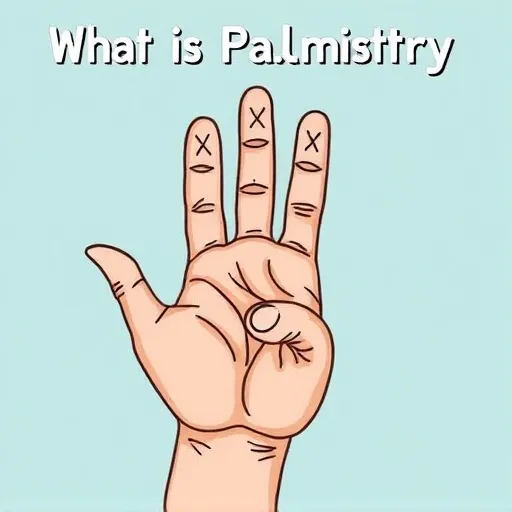
Palmistry hand analy
What Is Palmistry and Why Should Beginners Care?
So what exactly is palmistry? At its core, it's the practice of interpreting the shape, texture, and lines of the hands. This ancient art of hand analysis has been documented across many cultures for centuries, from traditional practices in Asia and Europe to modern self-help circles. By 2026, palm reading has become a popular companion to journaling, mindfulness, and personal growth routines. People use it to spark conversation, gain fresh perspective on their strengths, and simply have fun. If you've been curious about palm reading lines meaning for beginners, you're in exactly the right place.
For beginners, the appeal is simple: your hands are always with you, and the basics are surprisingly easy to learn. You don't need expensive equipment or a certification. All you need is curiosity, good lighting, and a willingness to observe. Many beginners start by studying their own dominant hand, then compare it with their non-dominant hand to see how their life has evolved. Grasping palm reading lines meaning for beginners really is that accessible—no fancy tools required.
Which Hand Should You Read? A Practical Guide to Dominant and Non-Dominant Palm Analysis
This is the question every beginner asks first. Different traditions offer different answers, but here's a practical approach that works well for newcomers diving into palm reading lines meaning for beginners:
- Your dominant hand (the one you write with) is often read as your present life, active choices, and current trajectory.
- Your non-dominant hand is often interpreted as inherited traits, potential, and the past.
Some practitioners read only the dominant hand for a quick snapshot, while others compare both for a fuller picture. As a beginner, try comparing both hands and notice which lines differ. Those differences can reveal how you've grown or where you've made deliberate changes in your life. There's no single "correct" method—experiment and see what resonates. This hands-on comparison is one of the best ways to internalize palm reading lines meaning for beginners without getting overwhelmed.
The Four Major Palm Lines and Their Meanings: Heart, Head, Life, and Fate Explained
Most beginner guides focus on four primary lines: the heart line, head line, life line, and fate line. Let's break each one down in a way that's easy to remember. These four form the backbone of palm reading lines meaning for beginners, so take your time with each.
1. The Heart Line: Your Emotional Blueprint and Relationship Patterns
The heart line typically runs horizontally across the upper portion of your palm, just below the fingers. It's associated with emotional expression, relationships, and how you connect with others.
- Long and curved: Often linked to warm, expressive, and emotionally open personalities.
- Straight and short: Sometimes associated with people who process emotions more privately or logically.
- Deeply etched: May suggest strong emotional intensity and passion.
- Faint or broken: Could indicate emotional ups and downs or a more reserved approach to feelings.
Remember, no single feature is "good" or "bad." Palm reading lines meaning for beginners is about patterns and tendencies, not verdicts. A straight heart line isn't a problem—it's just a different emotional style.
2. The Head Line: How You Think, Communicate, and Make Decisions
The head line sits roughly in the middle of your palm, often starting near the thumb side and stretching toward the opposite edge. It's connected to intellect, communication style, and decision-making.
- Long head line: Often linked to deep thinkers, curious minds, and people who enjoy analysis.
- Short head line: Sometimes associated with quick, decisive, action-oriented thinkers.
- Curved head line: May suggest creativity and imaginative problem-solving.
- Straight head line: Often linked to practical, logical, and structured reasoning.
Notice whether your head line is separate from your life line at the start or joined together. A joined start is sometimes interpreted as caution and close family ties early in life, while a separate start may suggest independence and early self-reliance. These subtle distinctions are part of what makes palm reading lines meaning for beginners so fascinating to explore.
3. The Life Line: Vitality, Energy, and Major Life Themes
Here's a common misconception to clear up right away: the life line does not predict how long you'll live. Instead, it's generally interpreted as a marker of vitality, energy, and major life transitions. It curves around the base of the thumb, starting between the thumb and index finger.
- Long, sweeping curve: Often associated with strong energy and enthusiasm for life.
- Short or shallow: May suggest a need to recharge, or a more reserved energy style—not a shortened lifespan.
- Broken or fragmented segments: Sometimes read as periods of change or redirection.
- Multiple smaller lines nearby: Often interpreted as supporting energies, travel, or significant events.
For beginners, the life line is a great reminder to stay open-minded. The palm reading lines meaning for beginners is symbolic and reflective, not medical or literal.
4. The Fate Line: Career Focus, Direction, and Life Path Insights
The fate line, sometimes called the destiny line, runs vertically up the center of the palm. Not everyone has a prominent one—and that's completely normal. Its presence and clarity are often linked to career focus, external influences, and a sense of direction.
- Strong, unbroken fate line: Often associated with clear goals and steady focus.
- Faint or absent: May suggest a flexible, self-directed path where you create your own structure.
- Multiple fate lines: Sometimes interpreted as juggling several passions or career shifts.
- Fate line starting high on the palm: May be linked to late-blooming direction or a path that unfolds later.
Secondary Palm Lines Worth Knowing: Sun, Mercury, and Marriage Line Basics
Once you've got the four main lines down, you can explore other features at your own pace. These add nuance without overwhelming you—and they're a natural next step once you're comfortable with palm reading lines meaning for beginners.
The Sun Line: Creativity, Recognition, and Personal Fulfillment
Running vertically below the ring finger, the sun line is often associated with creativity, recognition, and personal fulfillment. A faint sun line isn't a negative—it just may mean your sense of achievement comes from quieter sources.
The Mercury Line: Communication Style, Business Sense, and Stress Management
Also called the health line, this one runs diagonally toward the pinky finger. It's often interpreted as a marker of communication style, business sense, and how you manage stress. Beginners often overlook it, but it's a nice one to revisit later.
The Marriage Lines: Relationship Markers and Connection Indicators
Small horizontal lines on the edge of the palm beneath the pinky are sometimes read as relationship markers. Keep in mind that interpretations vary widely, and many practitioners view these as reflections of connection rather than predictions.
How to Read Your Own Palm: A Simple Beginner Routine for Line Analysis
Ready to give it a try? Here's a relaxed, step-by-step routine you can do in ten minutes—perfect for anyone exploring palm reading lines meaning for beginners for the first time.
- Find good lighting. Natural daylight works best. Avoid reading in dim rooms where lines blur together.
- Relax your hand. Don't stretch your palm flat—let it rest naturally. The lines shift subtly with tension.
- Start with the dominant hand. Identify the four major lines: heart, head, life, and fate.
- Note the length, depth, and curve of each line. You don't need to memorize everything—just observe.
- Compare with your other hand. Notice differences in clarity, breaks, or branches.
- Write down your impressions. Many beginners keep a small palm journal. Over time, you'll spot patterns and refine your interpretations.
As any seasoned analyst might tell you, consistency beats intensity. A few minutes of regular practice will teach you more than a single deep dive into palm reading lines meaning for beginners.
Common Beginner Mistakes to Avoid When Learning Palm Line Meanings
Learning palm reading lines meaning for beginners is a journey, and a few pitfalls can slow you down. Watch out for these:
- Treating lines as fixed predictions. Most modern practitioners view the palm as dynamic. Lines can change subtly over time, and interpretations should stay flexible.
- Ignoring the whole hand. Line reading is only one layer. Hand shape, finger length, and skin texture add valuable context.
- Overreacting to "bad" signs. A broken line isn't a curse. Context matters, and many "challenging" features are interpreted as growth opportunities.
- Comparing your palm to someone else's. Every hand is unique. There's no standard template for a "perfect" palm.
The NLP Perspective: Why Palm Reading Resonates in 2026
From a linguistic and behavioral standpoint, palm reading works partly because of how we process symbols and narratives. When you read about a "curved heart line" suggesting emotional warmth, your mind naturally searches for examples in your own life. This is sometimes called a reflective framing effect—the language itself invites self-examination. Practitioners and wellness professionals often use similar techniques to spark meaningful conversations and encourage personal reflection.
In 2026, this symbolic language fits neatly into journaling prompts, coaching conversations, and creative self-exploration. It's less about mysticism and more about storytelling—and humans are wired for stories. That's a big reason palm reading lines meaning for beginners continues to captivate newcomers year after year.
Is Palm Reading Scientific? Honest Answers for Curious Beginners
Let's be honest: palmistry isn't a hard science, and no credible practitioner claims otherwise. Studies on hand features and personality have produced inconsistent results, and interpretations vary across traditions. That said, palm reading can still be valuable as a reflective and cultural practice. Many people find it relaxing, thought-provoking, and a fun way to connect with friends.
The healthiest approach for beginners is to treat palmistry as a tool for insight and entertainment—not as a substitute for professional advice of any kind. Enjoy the symbolism, stay curious, and keep your feet on the ground. That balanced mindset is the real secret to getting value from palm reading lines meaning for beginners.
Quick Reference: Palm Reading Lines Cheat Sheet for New Learners
Here's a handy summary you can bookmark or screenshot—a solid quick-reference for palm reading lines meaning for beginners:
- Heart Line: Emotions, relationships, expression. Look just below the fingers.
- Head Line: Thinking style, communication, decisions. Look across the center of the palm.
- Life Line: Vitality, energy, transitions. Look curving around the thumb base.
- Fate Line: Direction, career themes, focus. Look vertically up the center.
- Sun Line: Creativity and fulfillment. Look below the ring finger.
- Mercury Line: Communication and stress management. Look diagonally toward the pinky.