Life line does not p
What Is the Life Line, Really? Your Go-To Guide for Palm Reading Basics
Let's kick things off by busting the biggest myth right away: the life line does not predict how long you'll live. Seriously. That's probably the most common misconception floating around out there, and it's just not true. Ask any experienced palm reader or hand analyst and they'll tell you the same thing — the life line is all about vitality, not longevity. If you've been wondering how to read your life line on palm, this is the perfect place to start, because understanding that one distinction changes everything about how you approach palmistry.
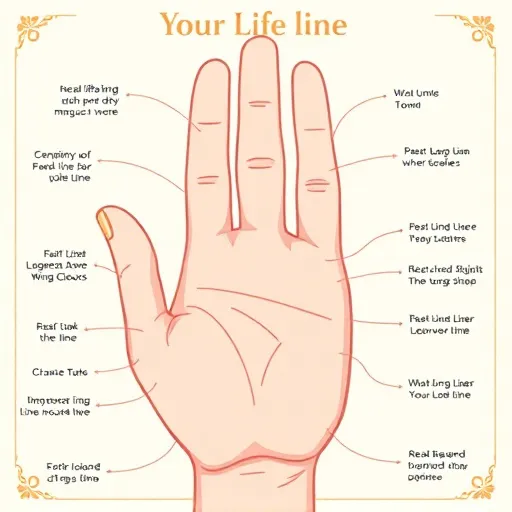
The life line is one of the three major lines on the palm, sitting right alongside the head line and the heart line. It usually begins between the thumb and the index finger and curves downward around the base of the thumb, ending somewhere near the wrist. Think of it as a map of your energy, your life force, and the major transitions you've experienced or will experience. Learning how to read your life line on palm means learning to interpret that map with curiosity rather than fear.
Why the Life Line Still Matters in Modern Palmistry and Hand Analysis
In the 2026 landscape of palmistry, practitioners have moved away from fatalistic predictions. Instead, the life line is read as a reflection of your physical stamina, emotional resilience, and how you navigate change. It's less about "when" and more about "how" — how you move through life, how much energy you bring to it, and what kinds of shifts have shaped you. This modern approach makes palm reading far more useful as a self-reflection tool. Rather than treating the lines as fixed destiny, we treat them as a snapshot of your inner landscape. When you learn how to read your life line on palm with this mindset, you're not fortune-telling — you're exploring.
Getting Started: How to Locate Your Life Line and Begin Palm Reading
Before you can read anything, you need to find the line. Here's a quick orientation to get you going:
- Step 1: Open your dominant hand (the one you write with) palm-up. In many traditions, the dominant hand shows your present and future, while the non-dominant shows inherited traits.
- Step 2: Locate your thumb. The life line is the curved line that sweeps around the fleshy base of the thumb.
- Step 3: Trace it from its starting point — usually between the thumb and index finger — down toward the wrist.
- Step 4: Use good lighting. Natural daylight is ideal for spotting faint or broken lines.
Don't panic if your life line is short, faint, or has breaks. Every hand is unique, and none of these features are "bad." The goal is interpretation, not judgment. Knowing how to read your life line on palm starts with accepting that your hand tells your story — whatever that story looks like.
The Anatomy of the Life Line: Length, Depth, and Curve Explained
Now let's get into the actual reading. When analyzing the life line, there are several features to examine. Each one contributes to a fuller picture of your vitality and life journey.
1. Length of the Life Line and What It Really Reveals
Contrary to popular belief, a long life line doesn't mean a long life. Instead, a line that runs clearly and deeply all the way toward the wrist is often associated with sustained energy and a strong physical constitution. A shorter line may simply suggest a more compact, intense way of channeling energy — or that the line becomes faint toward the bottom rather than truly ending. In palm analysis, a line's length is more about continuity of energy than duration of life. Many practitioners in 2026 emphasize that a short, deep line can indicate a person who lives fully and vibrantly rather than someone with a short lifespan. This is a key insight when you're figuring out how to read your life line on palm.
2. Depth and Width: Vitality and Energy in Palm Reading
A deep, well-defined life line typically suggests strong vitality, good stamina, and a grounded personality. A shallow or faint line may point to lower physical energy, a more sensitive constitution, or periods of fatigue. If the line is very wide, it's often read as a sign of a robust, energetic nature. Here's a quick reference:
- Deep and clear: Strong life force and resilience
- Shallow or faint: Lower energy reserves; may need to prioritize rest
- Wide: Abundant energy, sometimes to the point of restlessness
- Narrow: Focused, concentrated energy
3. The Curve and Position: Direction and Grounding in Hand Analysis
The life line's curve tells a story about direction and grounding. A line that sweeps generously around the thumb suggests a warm, outgoing nature and a broad approach to life. A line that hugs closer to the thumb may indicate a more reserved or focused personality. If the line starts high, near the index finger, it often correlates with ambition and early drive. If it starts lower, closer to the middle of the thumb base, it may suggest a personality that develops strength over time. Understanding these nuances is essential when learning how to read your life line on palm.
Reading Breaks, Chains, and Branches in the Life Line
This is where things get interesting — and where a lot of beginners get confused. Let's break down the most common variations.
Breaks in the Life Line: Transitions and Life Changes
A break doesn't mean disaster. In modern palm reading, a break often represents a major life transition — a move, a career shift, a health reset, or a significant change in perspective. The key is to look at how the line resumes:
- Clean break with overlap: Suggests a smooth transition; you adapt well to change
- Break with a gap: Indicates a period of recalibration or pause
- Break with a new line continuing offset: Suggests a shift in direction, often positive
Location matters too. Breaks near the top of the line may relate to early life or family influences, while breaks near the wrist may relate to later-life transitions or long-term energy patterns.
Chains and Their Meaning in Palmistry
A chained life line — where the line looks like a series of small interlocking loops — is often read as a sign of periods of scattered energy, emotional ups and downs, or a sensitive constitution. It doesn't mean anything negative in a permanent sense; it's more about fluctuations.
Branches: Upward and Downward Signs in Hand Reading
Branches are small lines that split off from the main life line. Upward branches often suggest positive developments, renewed vitality, or peak periods. Downward branches may indicate periods of extra effort, stress, or draining circumstances. Again, context is everything — branches should be read alongside the rest of the hand.
What About Crosses and Marks on the Life Line?
Sometimes you'll spot small marks crossing the life line. These are called crosses, and they're usually read as external influences or challenges. A cross near the start of the line might relate to early-life obstacles; a cross lower down might relate to later-life challenges or turning points. Some practitioners associate certain crosses with physical health events, but it's always best to interpret them alongside other features rather than in isolation. Stars (where lines cross in a star-like pattern) are often seen as significant markers — sometimes positive, sometimes indicating sudden change. Again, context and the surrounding palm matter enormously.
The Life Line in Context: Reading the Whole Hand Together
Here's a crucial point that experienced practitioners emphasize: you can't read the life line in a vacuum. A palm reading is a holistic exercise. The life line interacts constantly with the head line, heart line, fate line, and the mounts (the fleshy areas of the palm). For example:
- If the life line is deep but the head line is weak, the reading might emphasize physical energy paired with a tendency to overthink.
- If the heart line is strong and the life line curves widely, it may suggest emotional warmth combined with outward social energy.
- If the fate line intersects the life line in a certain way, it might point to career shifts or periods of reorientation.
This is why seasoned readers never base a whole reading on one line. Think of the life line as one instrument in an orchestra — important, but not the whole symphony. Mastering how to read your life line on palm means understanding it as part of a bigger picture.
Which Hand Should You Read for Palm Analysis?
There are different schools of thought here, and the debate continues in 2026. Many practitioners read the dominant hand as your present and future — what you're actively creating — and the non-dominant hand as inherited traits, early conditioning, or your subconscious patterns. Comparing both hands to see where the lines differ can highlight areas of growth or where you've consciously changed direction. It's a fascinating exercise, and it adds real depth to a reading.
Common Myths About the Life Line (Debunked for Good)
Let's clear up some persistent misconceptions you'll still find floating around online:
- Myth 1: A short life line means a short life. False. The life line reflects vitality and transitions, not lifespan.
- Myth 2: A broken line is bad luck. False. Breaks usually signify change and transition.
- Myth 3: The line is fixed forever. Not exactly. While major lines are relatively stable, subtle changes in depth, clarity, and marks can occur over time.
- Myth 4: Only psychics can read palms. False. Anyone can learn the basics with patience and practice.
Modern palmistry is far more nuanced than the old fortune-telling stereotypes suggest. It's a system of symbolic interpretation — a tool for self-reflection, not a crystal ball.
Practical Tips for Reading Your Own Life Line Today
Ready to give it a try? Here's a practical, step-by-step approach you can use right now:
Step 1: Prep Your Space for Palm Reading
Find a quiet spot with good lighting. Natural daylight works best for seeing fine details. Take a few deep breaths and relax your hand — tension can distort the appearance of lines.
Step 2: Examine the Overall Shape
Start broad. Look at the line's length, curve, and depth before zooming in on details. What's your first impression? Does it look strong, faint, broken, or continuous?
Step 3: Note Breaks, Branches, and Chains
Use a magnifying glass if needed. Note where the breaks occur and whether they're clean or messy. Look for branches pointing up or down. Check for chains near the top or bottom.
Step 4: Compare Both Hands
Place both palms side by side. Compare the life lines. Are they similar? Different? Which one looks more defined? Differences can be illuminating.
Step 5: Keep a Journal
Sketch or photograph your hands and note your observations. Over time, you may notice subtle changes. Keeping a palm journal is a great way to track your self-reflection practice.
Advanced Features to Look For in Life Line Reading
Once you've mastered the basics, here are some advanced elements to explore:
The Inner Life Line and Mars Line
Sometimes a second line runs parallel to the main life line on the inside, near the thumb. This is often called the inner life line or Mars line, and it's typically associated with inner strength, protective instincts, or extra vitality — particularly in times of challenge.
The Travel Line and Adventure Markers
Some practitioners note that lines branching outward from the life line toward the edge of the palm can indicate travel, adventure, or exposure to new cultures. These are sometimes called travel lines, and they're often read as signs of a curious, mobile nature.
Timing on the Life Line: A Rough Guide
Timing is one of the more technical aspects of palmistry. Many practitioners divide the life line into segments, with the top representing early life and the bottom representing later years. However, precise timing is notoriously subjective and varies between schools of thought. In 2026, most modern readers treat timing as a rough guide rather than a precise calendar. If you're interested in timing, the general convention places the early years near the top (around the first third), the middle years in the center section, and the later years toward the wrist. But remember — this is an interpretive tool, not a countdown clock.
Ethical and Responsible Palm Reading in 2026
As palmistry grows in popularity, it's important to approach it responsibly. Here are a few principles that modern practitioners emphasize:
- Don't use palm reading to diagnose health conditions. The life line is not a medical tool. Always consult qualified healthcare professionals for health concerns.
- Avoid fatalistic predictions. Don't tell yourself or others that a line "means" a fixed outcome. Lines reflect tendencies, not destinies.
- Keep it as a reflection tool. The best palm readings inspire self-awareness, not fear.
- Respect privacy. If you're reading someone else's palm, always ask first and treat their hand gently.
The Growing Popularity of Palmistry and Hand Analysis in 2026
Why is palmistry booming right now? A few reasons stand out. In an increasingly digital world, people are craving tangible, physical forms of self-knowledge. Hand reading offers something screens can't — a direct, personal connection to your own body and story. Additionally, the rise of wellness culture has made self-reflection practices mainstream, and palmistry fits naturally into that space. Online communities, apps, and content creators have also made palmistry more accessible than ever. What used to require a trip to a specialist can now be explored from your own home with a good guide and a bit of curiosity. That's exactly why learning how to read your life line on palm has become such a popular entry point for beginners.
Frequently Asked Questions About Reading the Life Line
Can the Life Line Change Over Time?
Yes, subtle changes can occur. Depth, clarity, and small marks may shift as your life circumstances change. Major structural features tend to remain stable, but the finer details can evolve.
Which Hand Should I Use?
Many people read the dominant hand for the present and future, and the non-dominant for inherited traits. Comparing both hands gives a fuller picture.
Is a Short Life Line a Bad Sign?
No. Repeat after us: the life line is not a lifespan indicator. A short line is simply a different expression of energy — not a bad omen.
Do I Need Special Tools?
Not really. Good lighting, a magnifying glass, and a notebook are plenty. Some people enjoy using ink to trace their lines, but it's optional.
Is Palmistry Scientific?
Palmistry is not a science — it's an interpretive tradition. Treat it as a reflective, symbolic practice rather than a predictive science. That framing keeps it useful and grounded.
Learning how to read your life line on palm is really about learning how to listen to your own story. The lines on your hand are like a map — not of your future, but of your energies, your transitions, and the way you move through the world. They invite curiosity, not fear. As you explore your life line in 2026 and beyond, keep an open mind and a light heart. Notice what resonates, question what doesn't, and enjoy the process of getting to know your hands a little better. Whether you're reading solo or comparing notes with friends, palmistry offers a beautiful excuse to slow down, look closely, and reflect on the life you're living right now. So go ahead — hold up your hand, find that curve around your thumb, and start reading. Your life line has a story to tell, and you're the one who gets to interpret it.