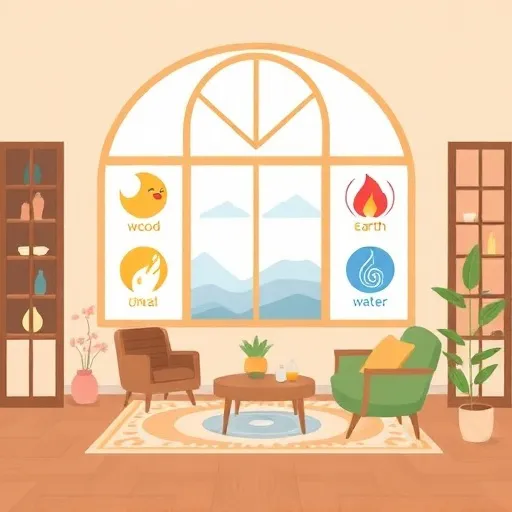
Five elements energy
What Are the Five Elements, Really? A Beginner's Guide to Wood, Fire, Earth, Metal, and Water in Interior Design
So here's the deal: the five elements framework is basically a way of describing five categories of energy that show up literally everywhere—in nature, in our body, in our emotions, and yeah, in our home. Think of them as personality types for objects and spaces. Once you get a feel for how to balance the five elements in your home, you'll start noticing these energies in every room you walk into.
- Wood — growth, expansion, vitality. Think plants, timber furniture, vertical lines, the color green. This is the element of upward momentum and fresh starts.
- Fire — passion, warmth, visibility. Candles, reds and oranges, triangle shapes, actual fireplaces. Fire energy is all about warmth and being seen.
- Earth — stability, grounding, nourishment. Ceramics, stone, yellows and browns, square shapes. Earth keeps you anchored.
- Metal — clarity, precision, efficiency. Metallic finishes, white and gray tones, circular and rounded forms. Metal brings structure and sharpness.
- Water — flow, wisdom, rest. Mirrors, glass, fountains, blues and blacks, wavy shapes. Water is the energy of stillness and depth.
The goal isn't to cram all five into every single corner—that's actually a common mistake. It's about creating a balanced ratio so no single energy dominates, and so the specific room supports the specific activities that happen there. A home office and a bedroom, for instance, need very different elemental recipes. Learning how to balance the five elements in your home starts with understanding this room-by-room approach.
Why Elemental Balance and Modern Home Design Matter More Than Ever in 2026
Here's the thing: modern homes are practically engineered to be elementally imbalanced. Open-plan layouts, floor-to-ceiling glass, and smart-home tech create environments heavy on metal and water energy—cool, reflective, efficient—but often light on wood and earth. The result? Spaces that look stunning in photos but feel a little sterile in real life. This is exactly why knowing how to balance the five elements in your home has become such a hot topic among interior designers.
Interior designers and wellness consultants have definitely noticed. Many industry professionals now describe elemental balance as the "missing layer" in contemporary design—the thing that separates a house that photographs well from a home that genuinely restores you. As remote work continues to blur the lines between living and working spaces, figuring out how to balance the five elements in your home has become a practical necessity rather than a luxury. The energy of your space directly affects your mood, your focus, and your rest.
Step One: Assess Your Home's Elemental Profile With a Room-by-Room Walkthrough
Before you move a single cushion, do a walkthrough. Room by room, note which elements are strongly present and which are missing. If you want to know how to balance the five elements in your home, this self-audit is your starting point. A quick check might look like this:
The Quick Elemental Checklist for Plants, Lighting, and Natural Materials
- Count the plants (wood). Zero to one in a room is generally too few.
- Notice the lighting (fire). Is it all harsh overhead LEDs with no warmth?
- Look at materials (earth). How much natural stone, clay, ceramic, or natural fiber is present?
- Check the hard surfaces (metal). Lots of chrome, steel, and glass?
- Spot the reflective features and fluid elements (water). Mirrors, aquariums, glass tables?
You'll likely find patterns fast. Kitchens and bathrooms often skew heavily toward water and metal. Living rooms might be wood-dominant with a splash of fire. Bedrooms frequently lack earth—which, interestingly, is exactly the element most associated with deep rest. This is the first real insight into how to balance the five elements in your home: most spaces are already telling you what they're missing.
Step Two: Match Elements to Rooms and Activities for Better Energy Flow
This is where the art comes in. Each room has a primary function, and the elements should support that function. Here's a practical breakdown that shows how to balance the five elements in your home room by room:
Living Room: Wood + Fire for Connection and Sociability
The living room is where conversation and relaxation happen, so a blend of wood (growth, sociability) and fire (warmth, energy) works beautifully. Add a statement plant or two, keep some natural wood grain visible, and introduce warm lighting—layered table lamps rather than a single bright ceiling fixture. A candle or two doesn't hurt either. This combo is a classic answer to how to balance the five elements in your home's most social space.
Bedroom: Earth + Water for Rest and Deep Sleep
Sleep spaces thrive on calm, grounding energy. Earth tones, natural fabrics like linen and cotton, and soft curves support this. A small water feature or a subtle blue accent can deepen the sense of calm, but keep metal and fire in check—too much of either can make a bedroom feel stimulating rather than restful. That big mirror directly facing the bed? Consider relocating it. When people ask how to balance the five elements in your home for better sleep, this is the answer nine times out of ten.
Home Office: Metal + Wood for Focus and Productivity
Productivity loves a bit of structure. Metal energy supports clarity and discipline, so a clean desk, white or gray tones, and precise organization all help. But pure metal can feel cold and draining, so balance it with wood—a plant on the desk, a timber shelf, or a green accent wall. Some practitioners also recommend a small earth element (a stone paperweight, a ceramic mug) to keep you grounded during long work sessions. That's how to balance the five elements in your home without turning your office into a spa.
Kitchen: Fire + Earth for Nourishment and Digestion
Kitchens are naturally fire-heavy thanks to the stove, and earth belongs here too since it governs nourishment and digestion. Ceramic dishes, stone countertops, and warm terracotta or ochre accents all reinforce this. If your kitchen is all stainless steel and white tile, adding a wooden cutting board, a ceramic bowl of fruit, or a plant on the windowsill can restore balance quickly. This is one of the easiest wins when you're learning how to balance the five elements in your home.
Step Three: Use the Controlling Cycle to Fix Elemental Clashes and Energy Imbalances
Here's where things get genuinely useful. The five elements don't just coexist—they interact in two cycles: a generating cycle (wood feeds fire, fire creates earth, earth bears metal, metal carries water, water nourishes wood) and a controlling cycle (wood parts earth, earth absorbs water, water extinguishes fire, fire melts metal, metal cuts wood). Understanding these cycles is the secret sauce to how to balance the five elements in your home.
When a room feels off, the controlling cycle often explains why. A workspace with too much metal energy—think exposed ductwork, steel shelving, gray walls—can feel harsh and draining. Instead of removing it all, introduce fire energy (warm lighting, a red accent, a candle) since fire "softens" metal. Similarly, a room drowning in water energy (dark blues, mirrors everywhere, glass surfaces) can be balanced with earth tones or a wooden element to absorb and redirect the flow. This is practical, actionable knowledge for how to balance the five elements in your home when things feel off.
Common Elemental Imbalances and Quick Fixes for Cold, Heavy, and Restless Spaces
- Too much metal (cold, clinical): Add warm wood tones, soft textiles, or a plant.
- Too much water (heavy, moody): Introduce earth via ceramics, stone, or warm neutrals.
- Too much fire (restless, overstimulating): Cool it down with water elements like glass, mirrors, or deep blue accents.
- Too much wood (overgrown, cluttered): Add metal accents—a sleek lamp, a metallic frame—to bring structure.
- Too much earth (stagnant, heavy): Bring in wood or a touch of metal to restore movement.
Step Four: Work With Color, Shape, and Material to Master Elemental Harmony
You don't need to buy anything new to shift a room's elemental balance. The framework operates on three levers, and most people already have plenty to work with. This is the budget-friendly answer to how to balance the five elements in your home.
Color Palettes That Shift Room Energy
Wood is green; fire is red, orange, and pink; earth is yellow, brown, and beige; metal is white, gray, and metallic; water is blue and black. Repainting a single accent wall or swapping throw pillows can shift a room's energy noticeably.
Shape and Form: Triangles, Squares, Circles, and Wavy Lines
Wood favors tall rectangles and vertical lines. Fire loves triangles and pointed forms. Earth is square and low, metal is round and precise, and water is wavy and irregular. A room full of sharp angles and rectangles, for example, may feel wood-dominant—introducing round mirrors or curved furniture adds metal and water energy.
Material Textures From Rattan and Bamboo to Stone and Glass
Natural wood, rattan, and bamboo carry wood energy. Stone, clay, and ceramics carry earth. Metal fixtures and hardware bring metal. Glass, mirrors, and flowing fabrics carry water. Real flames or warm light sources carry fire.
Start with what you own. Rearranging, restyling, and swapping items between rooms can accomplish more than you'd expect—and it's a great excuse for a weekend refresh. This is how to balance the five elements in your home without spending a dime.
Step Five: Seasonal Adjustments and Lifestyle Changes for Year-Round Elemental Flow
Elemental balance isn't a one-and-done project. It shifts with the seasons, with your life stage, and even with your mood. Many practitioners recommend a light seasonal review: in darker months, lean into fire (warm lighting, cozier textiles); in summer, allow more water and wood energy to keep things cool and airy. This seasonal awareness is part of how to balance the five elements in your home throughout the year.
Lifestyle changes matter too. If you've started working from home more, your office area may need stronger metal and wood support. If a new baby has arrived, the nursery often benefits from gentle earth and wood—soft, natural, grounding energies—rather than stimulating fire accents. The framework is flexible by design; it's meant to be revisited, not perfected once and forgotten. Think of how to balance the five elements in your home as an ongoing conversation, not a one-time checklist.
Common Mistakes to Avoid When Learning Elemental Balance and Home Harmony
A few pitfalls trip up beginners again and again:
- Treating it as a shopping list. Balance comes from proportion and placement, not from owning one item per element in every room.
- Over-correcting. Adding five plants to a corner doesn't fix a wood deficiency if the room is also drowning in water energy—you may just be swinging the pendulum.
- Ignoring function. A bedroom styled like a lively entertainment lounge will fight you every night. Match elements to activity first.
- Forgetting the light. Lighting is arguably the most powerful elemental tool in any home. Warm, layered, dimmable light is fire energy done right.
If you're unsure where to start, many interior consultants now offer elemental assessments as part of their services—and a growing number of digital tools can map your floor plan and suggest adjustments. That said, you can absolutely do a solid job yourself with the checklist approach above. The best way to learn how to balance the five elements in your home is simply to start noticing.
Bringing It All Together: Practical Design Meets Elemental Wisdom in Your Living Space
Balancing the five elements in your home isn't about superstition or rigid rules. It's a practical design lens—one that encourages you to notice how materials, colors, shapes, and light interact to create a felt experience. In a 2026 world of sleek, tech-forward interiors, that lens is more valuable than ever. It's the difference between a space that merely functions and one that actively supports how you want to feel. And honestly, that's what how to balance the five elements in your home is really about—creating a space that supports you.
Start small: pick the room you spend the most time in, run through the checklist, and make one or two adjustments. Notice what changes. Then repeat. Over a few weeks, you'll develop an intuitive sense of elemental balance that no article—including this one—can fully teach. That's exactly the point. The five elements aren't a formula to memorize. They're a conversation to have with your home—and once you understand how to balance the five elements in your home, that conversation never really ends.