Lunar vs solar calen
The Basic Idea: Two Ways to Track Time
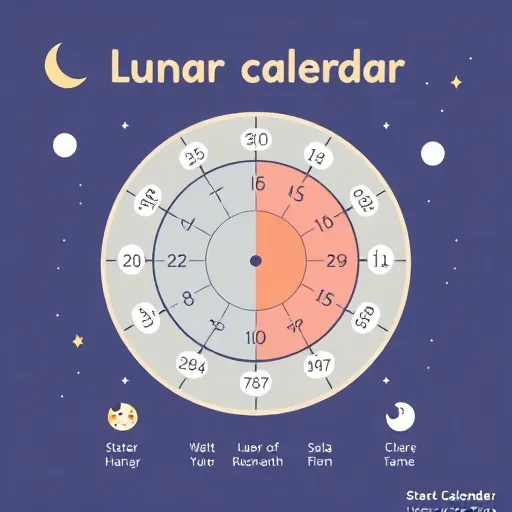
Alright, let's break this down nice and easy. The lunar calendar vs solar calendar difference all starts with what each system actually measures. A solar calendar follows the Earth's trip around the Sun—one full orbit takes about 365.24 days, and that's what we call a solar year. A lunar calendar, on the flip side, tracks the Moon phases. Specifically, it counts the time from one new moon to the next, which is roughly 29.5 days. Times that by 12 and you land at about 354 days—around 11 days short of a solar year.
Now, that 11-day gap sounds tiny, right? But here's the thing about the lunar calendar vs solar calendar difference: over time, it creates serious drift. This gap is basically the whole reason calendars have been tweaked and reworked for thousands of years, and it's why different cultures came up with different fixes to keep their seasons in line.
Why the Sun Keeps Our Seasons and Agriculture on Track
The biggest perk of a solar calendar is how tightly it connects to the seasons. Since a solar year matches Earth's orbit, the equinoxes and solstices land on pretty much the same dates annually. That makes solar systems super practical for agriculture—farmers know exactly when to plant and harvest without redoing the math every year. It's no shock that most civil calendars and business calendars around the world today are solar-based. When you dig into the lunar calendar vs solar calendar difference, this reliability is a huge point in the Sun's favor.
Why the Moon Still Matters for Culture and Religious Tradition
Lunar calendars, on the other hand, carry deep cultural significance and religious significance. Tons of traditional festivals, spiritual observances, and harvest celebrations are tied to Moon phases. The new moon often kicks off a month, and the full moon frequently marks a midpoint or a special occasion. For communities that have leaned on the Moon for centuries, a lunar calendar isn't just a timekeeping tool—it's a cultural anchor. That side of the lunar calendar vs solar calendar difference is just as important as the astronomical one.
The Big Problem: Keeping Solar Seasons and Lunar Months in Sync
Here's where it gets juicy. If you run a pure lunar calendar, your months slowly drift through the seasons. After about three years, a month that used to sit in spring slides into summer. After 33 years or so, the whole calendar has cycled through all four seasons. For religious observance, that might be totally fine. But for agriculture and civic planning? Total headache. This drift is the heart of the lunar calendar vs solar calendar difference.
That's exactly why many cultures built lunisolar calendars—hybrid systems that track both the Moon and the Sun. These calendars slip in an extra leap month every few years to keep lunar months lined up with solar seasons. Clever workaround, right? And it's still used in several major cultural traditions today.
Pure Lunar vs Lunisolar vs Solar: Key Differences in Moon Phases and Seasons
- Pure lunar calendar: Months follow Moon phases exactly. The year runs about 354 days. Seasons drift over time. Usually used for religious observance rather than civic planning.
- Lunisolar calendar: Months follow Moon phases, but a leap month gets inserted periodically to stay synced with the solar year. This keeps festivals in roughly the same season each year.
- Solar calendar: Months are arbitrary divisions of the solar year. No direct link to Moon phases. Seasons stay fixed.
Grasping this distinction matters big time when you're comparing calendar systems, because "lunar calendar" in everyday talk often actually means a lunisolar setup. That nuance is a key part of the lunar calendar vs solar calendar difference that trips people up.
How Solar Calendars Handle the Extra Quarter Day and Leap Year
Remember that 365.24 figure? That extra 0.24 of a day—about six hours—piles up. Without a fix, the calendar would drift roughly one day every four years. Enter the leap year: tacking an extra day onto February every four years (with a few exceptions for century years). This keeps the solar calendar aligned with Earth's actual orbit to within a tiny margin. It's a remarkably elegant fix, and it's why the modern civil calendar has stayed stable for centuries. When folks ask about the lunar calendar vs solar calendar difference, this precision is one of the strongest arguments for solar systems in daily life. The Gregorian calendar is the classic example here.
Where You'll See Each System in Action in 2026
Both calendar types are alive and well in 2026, often side by side. Here's a quick tour of the lunar calendar vs solar calendar difference in the real world:
Solar Calendar in Daily Life, Business Scheduling, and Government Administration
Most countries use a solar calendar for official business, government administration, school schedules, and international communication. Booking a flight, signing a contract, scheduling a cross-border meeting? You're almost certainly using a solar date. The stability of the solar year makes it ideal for anything that needs to be predictable year after year.
Lunar and Lunisolar Calendars in Cultural Life and Religious Festivals
Plenty of major cultural festivals—Lunar New Year celebrations across East Asia, Mid-Autumn Festival, Diwali in some traditions, and various harvest festivals—are calculated using lunar or lunisolar systems. Religious observances in several faiths also follow lunar cycles. If you've ever noticed a holiday like Lunar New Year landing on a different solar date each year, you've witnessed the lunar calendar vs solar calendar difference firsthand. This dual-calendar reality is common worldwide—people might use a solar calendar for work and a lunar calendar for family traditions, sometimes on the very same day.
Practical Differences That Affect Your Holidays, Birthdays, and Travel Plans
So why should you care about the lunar calendar vs solar calendar difference? Here are some practical implications:
- Holiday planning: Planning around cultural festivals means knowing which calendar they follow. A lunar-based holiday shifts on the solar calendar each year, so don't assume it falls on the same date.
- Birthdays and anniversaries: Some families celebrate birthdays by a lunar date, meaning the solar date changes annually—confusing for friends and coworkers who only track solar dates.
- Agricultural planning: Solar calendars are more reliable for seasonal planning because they don't drift. Scheduling planting or harvesting? Solar dates are your friend.
- Travel and business: International scheduling almost always uses solar dates. Coordinating across cultures? Double-check which calendar a local partner is using.
- Astronomy and stargazing: Moon phases follow the lunar cycle, so planning a stargazing trip around a full moon means you'll want a lunar reference.
Understanding both systems helps you dodge mix-ups and plan with confidence—especially in a globalized world where cultural and civil calendars constantly intersect. The lunar calendar vs solar calendar difference isn't just trivia; it's practical knowledge.
Common Misconceptions About Lunar and Solar Calendars
Let's bust a few myths that pop up again and again:
Myth 1: Lunar Calendars Are Inaccurate Compared to Solar Systems
Not true. A lunar calendar is highly accurate for what it measures—Moon phases. It's just not built to track seasons. Accuracy depends on what you're measuring, which is a core piece of the lunar calendar vs solar calendar difference.
Myth 2: Solar Calendars Completely Ignore the Moon and Its Phases
Mostly true for the calendar structure, but many solar calendars still note Moon phases for cultural or religious purposes. The calendar and the sky aren't mutually exclusive.
Myth 3: One Calendar System Is Objectively Better Than the Other
Neither wins in a vacuum. Solar calendars are better for civil and agricultural planning. Lunar and lunisolar calendars are better for cultural, religious, and astronomical tracking. The best system depends on your purpose—that's the honest lunar calendar vs solar calendar difference takeaway.
Myth 4: The 11-Day Gap Between Lunar and Solar Years Doesn't Matter
It matters a lot over time. A pure lunar calendar drifts through the seasons, which is why lunisolar corrections exist. Ignoring the gap would eventually put summer festivals in winter.
How Lunisolar Calendars Solve the Drift Problem With Leap Months
The lunisolar approach is genuinely clever. By inserting a leap month roughly every two to three years, the calendar stays aligned with both the Moon and the Sun. The exact rules vary by tradition, but the principle holds: track the Moon for months, track the Sun for seasons, and reconcile the two with periodic adjustments. This is why some cultural festivals stay in roughly the same season each year even though their exact solar date shifts. The lunisolar system keeps the celebration anchored to its proper time of year while still honoring the lunar cycle—a neat resolution to the lunar calendar vs solar calendar difference.
Which Calendar Should You Use for Work, Culture, and Everyday Planning?
For most everyday purposes in 2026—scheduling meetings, booking travel, managing projects—the solar calendar is the practical choice. It's universally understood, stable, and aligned with the seasons. But if you're engaging with cultural traditions, planning around religious observances, or just curious about the sky, the lunar calendar offers a rich and meaningful alternative. Many people use both, switching depending on context. That's not confusion—it's cultural fluency. The key takeaway: the lunar calendar vs solar calendar difference isn't about which one is right. It's about understanding what each system measures and choosing the right tool for the right job—whether that's the Gregorian calendar for business or a lunar calendar for tradition.